In a nutshell
- 🍰 Flavour focus: A small pinch of salt sharpens sweetness, deepens chocolate, brightens citrus, and tames bitterness—turning flat cakes into balanced bakes without tasting salty.
- 🔬 Texture and structure: Salt subtly tightens gluten, improves emulsification, stabilises rise, and enhances perceived Maillard complexity, yielding a finer crumb and cleaner slices.
- ⚖️ Measure smart: Aim for about 0.75–1% salt relative to flour by weight (≈3–5g per 250g), use unsalted butter for control, and prioritise grams over spoons for precision.
- 🧂 Choose the right salt: Fine table and sea salts are denser than kosher or flake salts; 1 tsp table ≈ 1.5–2 tsp kosher—adjust to avoid over- or under-salting.
- 🧪 Practical test: Bake side-by-side sponges with 2g vs 4g fine sea salt to find your sweet spot in flavour clarity, tenderness, and day-two freshness.
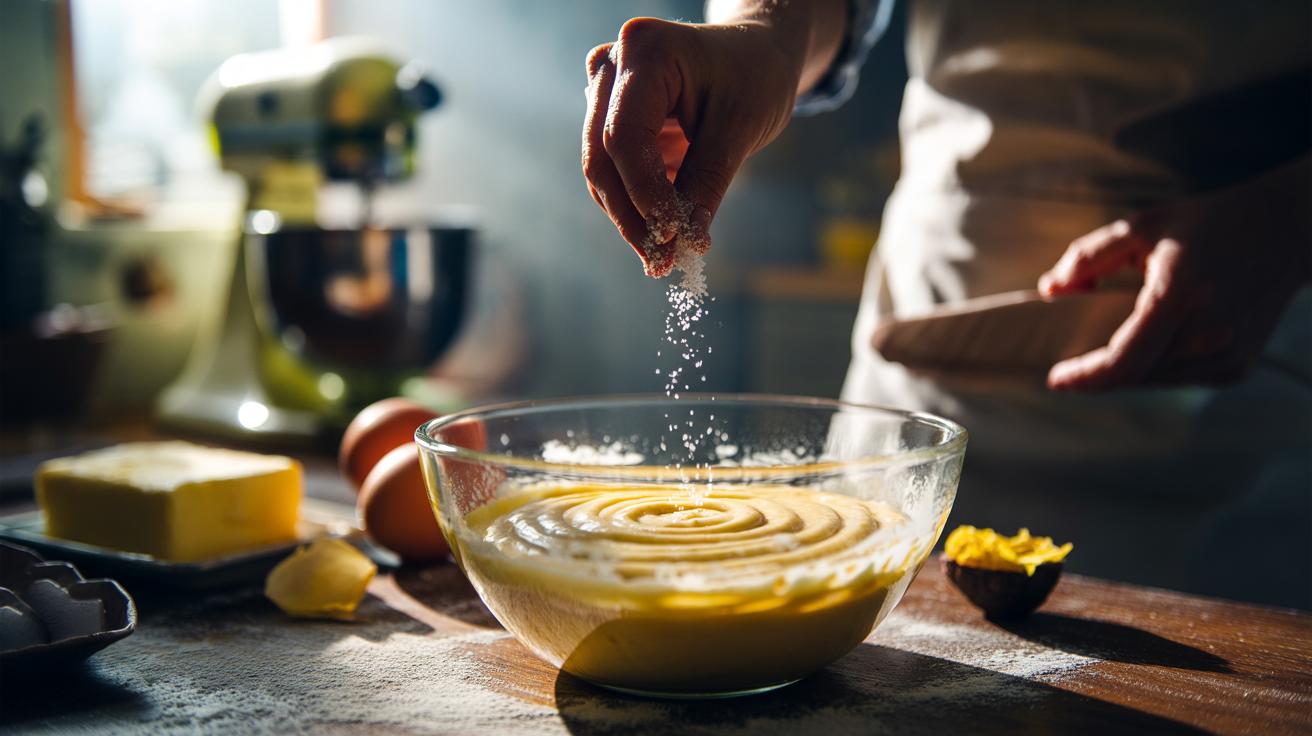
Salt seems like the quiet extra in cake recipes, a mere pinch tucked between flour and vanilla. Yet that pinch is a precision tool. It turns muddled sweetness into clarity, encourages aromas to pop, and coaxes structure into a plush, even crumb. The difference between a decent sponge and a bakery-finish slice often comes down to how you deploy salt. It’s not about making cake taste salty; it’s about contrast, control, and chemistry. Used well, salt makes chocolate deeper, citrus brighter, and butter richer, while calming bitterness and flattening harsh edges. The result feels professional: balanced flavour, fine texture, and confident lift that holds from oven to plate.
Why Salt Transforms Cakes
Sweetness without contrast reads as flat. Introduce a touch of salt, and flavours sharpen. Chocolate tastes darker, vanilla seems truer, fruit turns vivid. That isn’t magic; it’s sensory science. Salt dampens the perception of bitterness while boosting aromatics, so the cake’s top notes shine and the base feels grounded. A well-salted cake tastes sweeter with less sugar because salt focuses flavour. That’s crucial for modern bakes, where balance matters as much as indulgence.
There’s also the matter of aroma. Salt helps volatile compounds linger, which is why a lemon drizzle scented with zest and a restrained pinch of fine sea salt smells astonishingly fresh. Even caramel benefits: just enough salt teases out butterscotch depth without veering into savoury. The key is precision. In a standard 20cm sponge, 3–5g often hits the sweet spot. Too little, and the cake is bland; too much, and you veer into biscuit territory. Think of salt as your flavour editor—small input, big revisions.
Finally, contrast makes crumbs feel cleaner on the palate. That’s why a salted chocolate ganache atop a mellow sponge reads luxurious rather than heavy. The interplay keeps each bite interesting. Short sentence. Big impact.
Texture, Tenderness, and the Science of Crumb
Beyond flavour, salt shapes the crumb. In batter, salt slightly tightens gluten networks, lending structure so the cake rises evenly and sets neatly. That sounds counterintuitive—tightening could mean toughness—but in cake it’s calibrated. With enough fat and sugar acting as tenderisers, a modest dose of salt helps the crumb hold together without becoming dense. The goal is resilience, not rigidity.
Salt also influences protein behaviour in eggs and dairy. It supports emulsification, so fats and liquids bind smoothly, improving aeration. Better emulsions trap tiny air bubbles, which expand in the oven for a finer, more uniform texture. You’ll notice fewer tunnels, cleaner slices, and a plush mouthfeel. Meanwhile, salt moderates water activity, aiding moisture retention so the cake stays fresh a day longer. That’s why a loaf with the right salt feels moist rather than wet, tender rather than crumbly.
There’s a knock-on effect during browning. A well-balanced salt level can subtly enhance Maillard complexity and caramelised notes on surfaces—think the edges of cupcakes or the crown of a pound cake. Salt doesn’t brown the cake, but it helps the flavours of browning read more clearly. For leavening, salt won’t replace baking powder, yet by strengthening the batter, it keeps the rise stable so your cake doesn’t inflate then collapse.
Choosing and Measuring the Right Salt
Not all salts deliver the same punch. Fine table salt is dense and potent; kosher salt and flake sea salt are lighter by volume. That means a teaspoon is not a constant. In British kitchens, unsalted butter is the standard for baking, letting you control the exact seasoning. If you only have salted butter, reduce added salt and taste-test batters like brownies or blondies (where raw flour isn’t a concern) to avoid overshooting. When in doubt, measure by grams, not spoons.
| Salt Type | Grain | Approx. Salinity per tsp | Best Use in Cakes | Approx. grams per tsp |
|---|---|---|---|---|
| Fine Table Salt | Very fine | High | Precise dosing in batters | ~6 g |
| Fine Sea Salt | Fine | High | Everyday baking; clean flavour | ~5–6 g |
| Kosher Salt (coarse) | Coarse | Moderate | Pinch-seasoning; easier to control | ~3–5 g |
| Flake Sea Salt (e.g., Maldon) | Flaky | Lower | Finishing on frostings/caramel | ~1.5–2.5 g |
For consistent results, aim for about 0.75–1% salt relative to flour by weight in most butter cakes: roughly 3–5g per 250g flour. Citrus or dark chocolate cakes can take the higher end. If you must substitute, remember: 1 tsp fine table salt ≈ 1.5–2 tsp light kosher or several generous pinches of flakes. Under-salt and you lose clarity; over-salt and sugar tastes shrill. The scale prevents both.
Salt is the smallest ingredient with the biggest influence on cake confidence—flavour lit up, crumb aligned, finish refined. Pay attention to type, dose, and timing, and your home bakes begin to read like patisserie. Try a side-by-side: one sponge with 2g fine sea salt, one with 4g, same recipe, blind-taste on day one and day two. Which sings, which sags, which stays tender? Once you find your sweet spot, you’ll never skip the pinch again. What bake will you test first to see how a precise hit of salt changes the story?
Did you like it?4.5/5 (20)