In a nutshell
- 🌱 Used tea bags supply tannins that chelate micronutrients (iron, manganese, copper), boosting nutrient availability and gently lowering pH for acid-loving plants overnight.
- 🔬 Night-time boost: increased microbial activity, improved moisture retention, mild ammonification, and subtle odour moderation create friendlier root-zone conditions by morning.
- 🍵 Choose wisely: black tea for stronger effects, green tea for gentle conditioning, and rooibos/herbals vary; avoid plastic-mesh bags and remove staples/strings.
- 🧰 Practical methods: split and bury contents 2–3 cm deep, use a light “compost tea” drench (one used bag per litre, 15–30 minutes), and apply small, regular doses for steadier results.
- ⚠️ Pitfalls: skip flavoured teas, prevent anaerobic clumps, go low-and-slow with seedlings, and treat tea as a soil conditioner that complements—not replaces—balanced fertiliser.
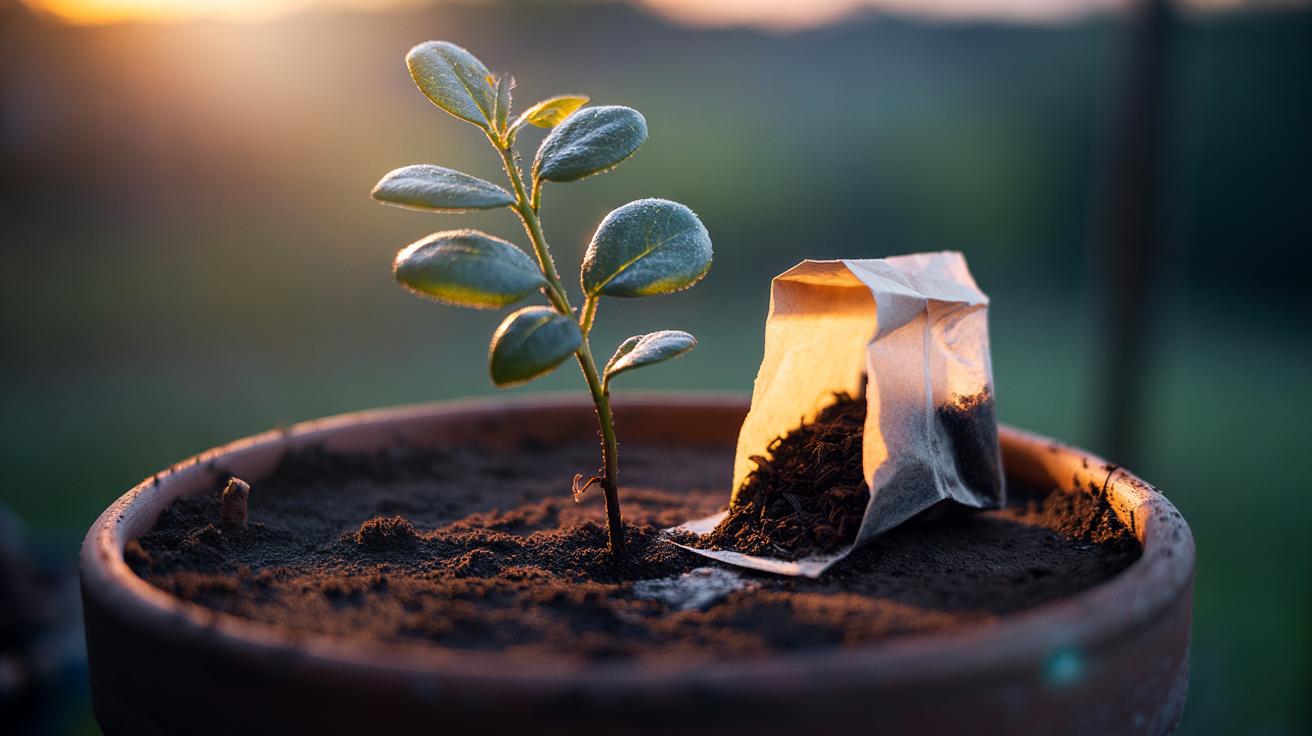
Leftover tea bags rarely feel like gardening kit. Yet they hold a quiet power. Tucked into the soil at dusk, they can nudge your beds and pots into a livelier, more nutrient-rich state by morning. The secret sits in their tannins—plant polyphenols that interact with minerals, microbes, and moisture. Think of them as tiny, slow-acting keys that unlock trace nutrients, temper odours, and energise the rhizosphere. It’s simple. It’s cheap. It’s also science-backed soil care, not superstition. Used smartly, tea bags boost microbial activity and make nutrients more available while gently adjusting pH for acid-friendly plants. Here’s how to work with that natural chemistry.
How Tannins Work in Soil
Tannins are complex polyphenols abundant in black and green tea. In soil, they behave like mild, biodegradable conditioners. Their chemistry allows them to chelate metal ions—loosely binding nutrients such as iron, manganese, and copper—so roots and microbes can access them more readily. This chelation is subtle, not aggressive, which means it helps unlock what’s already there rather than flooding the bed with fertiliser. Tea’s organic acids also nudge the soil’s pH slightly downward, a boon for azaleas, blueberries, camellias, and other acid-lovers. The effect is temporary, but in containers and seed trays, even small shifts can matter.
There’s a biological side too. As tannins break down, they feed microbial communities that stitch together humic substances—the dark, spongy fraction that improves structure and water retention. A used tea bag offers a quick pulse of carbon and nitrogen in a form microbes recognise. Activity rises. Enzymes get to work. Nutrient cycling accelerates. By morning, you won’t see a miracle, but you may have created better conditions for one. That is the quiet advantage: a faster, steadier soil engine, humming just beneath the mulch.
Overnight Effects: Rapid Changes You Can Measure
What actually changes between dusk and dawn? First, moisture dynamics. Tea fibres hold water, acting like a tiny sponge that slows evaporation around feeder roots. Second, respiration. Microbial activity often peaks during the cool, damp night, and that metabolism helps convert organic residues into plant-available forms. Expect a short, beneficial uptick in ammonification—the release of ammonium—as microbes process the bag’s nitrogen. In acidic-leaning mixes, a faint pH dip may make iron more accessible by morning, especially in peat-free composts that run slightly alkaline out of the bag.
Then there’s the moderation effect. Tea tannins can lightly suppress some odour-causing microbes while allowing beneficial decomposers to take the lead. Caffeine, present mainly in black and green teas, can marginally deter certain soil pests, though its effects are inconsistent outdoors. Don’t expect pest control; expect balance. What you can look for are subtle clues: a fresher soil smell, slightly steadier overnight moisture, and—in seedlings—a touch less transient yellowing where iron lock-up had been an issue. These are micro-wins that compound with routine use.
Choosing the Right Tea and Method
Not all tea is equal in the garden. Black tea tends to deliver stronger tannins and a modest acidifying nudge, while green tea offers gentler effects. Herbal blends vary wildly; some contain almost no tannins, others (rooibos) are rich in polyphenols despite not being true tea. The delivery method matters more than you might think. Used, cooled bags can be split and scattered under mulch, buried 2–3 cm deep in pots, or steeped again to make a light “compost tea” for a quick drench. Remove staples and strings, and avoid plastic-mesh bags.
| Tea Type | Tannin Level | Best For | Application | Notes |
|---|---|---|---|---|
| Black tea | High | Acid-loving shrubs, container veg | Split bag; bury shallow; or light drench | Stronger pH nudge; watch seedlings |
| Green tea | Medium | General houseplants, herbs | Sprinkle contents; mix into topsoil | Gentler, steady conditioning |
| Rooibos (herbal) | Medium | Mulching around perennials | Bury or use as surface mulch | Polyphenols, no caffeine |
| Peppermint/chamomile | Low | Seed trays, sensitive seedlings | Very light drench or mulch | Minimal acidifying effect |
| Decaf tea | Medium | Households avoiding caffeine | As for green tea | Caffeine largely removed |
For speed, create a night-before drench: one used bag per litre of water, steeped for 15–30 minutes in cool water, then poured around the root zone. For ongoing conditioning, simply fold a bag’s contents into the top centimetre of compost once or twice a week. Small, regular doses beat occasional dumps.
Common Pitfalls and Safe Practices
There are a few snags to avoid. Some premium “silky” bags are made of nylon or PLA; they don’t break down quickly and shouldn’t go in your soil. Always tear open the bag if you’re unsure and use only the leaves. Flavoured teas may carry oils, sugars, or artificial aromas that can attract fungus gnats or mould. Stick to plain black or green tea for reliability. Used bags should be cool and lightly squeezed—dripping wet clumps can create anaerobic pockets in potting mix, briefly souring the root zone.
Mind your plants’ preferences. If you grow lime-loving herbs like lavender or rosemary, keep tea inputs minimal and occasional. With seedlings, go low and slow; tannins can inhibit germination if concentrated in a tiny cell. Tea doesn’t replace balanced feed. It complements it by improving availability and structure. Pair with a peat-free compost and routine organic fertiliser for best results. Finally, store spent bags in a ventilated tub; stale, sealed piles can go musty. When in doubt, compost first, then apply the finished compost.
Used tea bags won’t transform a garden overnight, but they can create the midnight conditions that help roots thrive by breakfast. Gentle acidification, better moisture, livelier microbes—these are the small levers that add up to sturdier growth and richer colour, especially in containers and houseplants. Treat tea as a soil conditioner, not a silver bullet. Observe, adjust, repeat. Your kettle could be the quietest tool in your shed. What will you brew for your beds tonight, and which plant will you test first to see the difference?
Did you like it?4.8/5 (24)